


-

Add: HeBei ShengShi HongBang Cellulose Technology CO.,LTD.
-

Email
13180486930@163.com -

CONTACT US
+86 13180486930




In the world of modern construction, synthetic fibers have revolutionized the way materials are used, enhancing the strength, flexibility, and durability of various building components. The different types of synthetic fibers available today are engineered for specific uses, making them indispensable in many construction projects. These fibers are often used to reinforce concrete, improve the resilience of building structures, and provide additional benefits like increased fire resistance and weather protection. From polypropylene fibers to long glass fibers , synthetic fibers offer a range of options tailored to different needs. Whether it’s increasing the strength of cement or providing insulation properties, the different types of synthetic fibers ensure that construction projects meet high standards of quality and longevity. In addition to their superior performance, synthetic fibers are often more cost-effective and readily available than traditional materials. This makes them a preferred choice for construction companies aiming to reduce costs while maintaining high-quality results. Furthermore, the environmental impact of synthetic fibers is increasingly being addressed with sustainable production methods, making them a more eco-friendly option for the construction industry. Long Glass Fiber Polypropylene: A Key Ingredient for Stronger Materials One of the standout synthetic fibers in the construction industry is long glass fiber polypropylene . This innovative fiber combines the strength of glass with the lightweight, corrosion-resistant properties of polypropylene. As a result, long glass fiber polypropylene is often used to reinforce concrete and other building materials, providing a significant boost in durability and performance. The inclusion of long glass fiber polypropylene in construction materials helps reduce cracking and improve the structural integrity of buildings and roads. The long fibers create a matrix that distributes stresses evenly across the material, preventing localized damage. This fiber is particularly useful in high-strength concrete applications where additional reinforcement is needed. Moreover, long glass fiber polypropylene is highly resistant to environmental factors like moisture, UV radiation, and temperature changes, making it ideal for both indoor and outdoor construction projects. It is commonly used in applications like paving, drainage systems, and even in the production of prefabricated building components. Its versatility and effectiveness in improving the lifespan and reliability of building materials make it a go-to solution for modern construction needs. Fibre Natural and Synthetic: A Comparison of Strength and Sustainability When choosing materials for construction, understanding the difference between fibre natural and synthetic options is crucial. While natural fibers such as jute, hemp, and cotton have been traditionally used in construction, synthetic fibers like polypropylene, polyester, and nylon have emerged as more durable and cost-effective alternatives. Fibre natural and synthetic materials each have their own advantages, making them suitable for different types of applications. Natural fibers are renewable, biodegradable, and often produced using more sustainable methods, making them a more eco-friendly option. However, they may not offer the same level of strength or resistance to environmental factors as synthetic fibers. On the other hand, synthetic fibers are engineered for durability, offering superior resistance to moisture, heat, and wear. They are often used to enhance the properties of natural materials, making them more suitable for demanding construction environments. For example, natural fibers like hemp may be used in insulation or as a reinforcement material in low-stress applications, while synthetic fibers like polypropylene or polyester are used for high-strength reinforcement in concrete, roofing, and other critical structures. By combining the best of both fibre natural and synthetic materials, construction companies can achieve optimal performance and sustainability. Non-Woven Polypropylene Fiber: A Revolutionary Material in Construction Non woven polypropylene fiber is another essential material that is increasingly being used in the construction industry. Unlike traditional woven fabrics, non woven polypropylene fiber is made from a process that bonds fibers together without weaving or knitting, resulting in a highly versatile material with excellent durability and moisture resistance. This fiber is widely used in applications like drainage systems, geotextiles, and road construction. Non woven polypropylene fiber provides a lightweight yet strong solution for reinforcing construction materials. It is often used in soil stabilization, as it helps prevent erosion and improves the strength of the ground underneath roads, bridges, and buildings. The material's ability to resist moisture also makes it ideal for protecting against corrosion and extending the lifespan of infrastructure. Additionally, non woven polypropylene fiber is environmentally friendly, as it is made from recyclable polypropylene, a material that can be repurposed for various other uses. Its cost-effectiveness, combined with its high-performance qualities, makes it a popular choice for contractors seeking durable and sustainable solutions for their construction projects. S ynthetic F ibers FAQs What are the different types of synthetic fibers used in construction? Synthetic fibers used in construction include polypropylene, polyester, nylon, and glass fibers. Each type is engineered for specific applications, such as reinforcing concrete, improving durability, and providing insulation. What is long glass fiber polypropylene, and why is it important in construction? Long glass fiber polypropylene is a fiber that combines the strength of glass with the lightweight, corrosion-resistant properties of polypropylene. It is essential in construction for reinforcing concrete, improving structural integrity, and preventing cracking. What are the benefits of using natural fibers in construction? Natural fibers , like hemp or jute, offer benefits such as renewability, biodegradability, and sustainability. They are commonly used for insulation and low-stress reinforcement, but may not be as durable or resistant to environmental factors as synthetic fibers. How does non-woven polypropylene fiber differ from woven fabrics? Unlike woven fabrics, non-woven polypropylene fiber is made through a bonding process that does not involve weaving or knitting. This results in a highly durable and moisture-resistant material, commonly used in geotextiles, drainage systems, and soil stabilization. Are synthetic fibers environmentally friendly? While synthetic fibers are often made from petroleum-based products, many are now produced using more sustainable methods. Additionally, materials like non woven polypropylene fiber are recyclable, making them a more environmentally friendly choice in construction. As construction needs evolve, synthetic fibers like long glass fiber polypropylene and non woven polypropylene fiber continue to play a crucial role in enhancing the strength, durability, and sustainability of building materials. If you're in the construction business, investing in these cutting-edge fibers will improve the performance of your projects and contribute to more eco-friendly practices. Visit our website today to explore our wide range of high-quality synthetic fibers and learn how they can transform your construction projects!
- 40000tons

Production
- 20+years

Experience
- 5000+㎡

Acreage

-
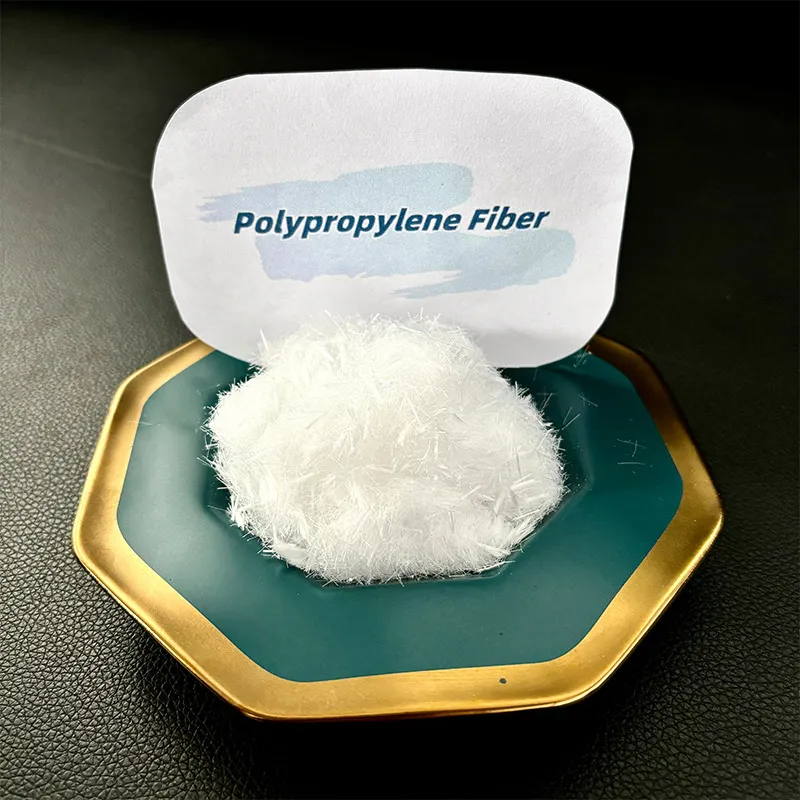
In recent years, polypropylene fiber for sale has gained significant traction as an essential additive in construction, particularly in the production of high-performance concrete. These fibers, made from a synthetic polymer, offer a wide range of benefits that improve the durability, strength, and performance of concrete structures. Whether you are constructing roads, buildings, or pavements, integrating polypropylene fiber for sale into your concrete mix can lead to superior results. The popularity of polypropylene fiber for sale has skyrocketed due to its cost-effectiveness and ability to enhance the physical properties of concrete. This type of fiber is known for its resistance to corrosion, reduced cracking, and improved overall flexibility. As an integral part of modern construction materials, polypropylene fiber for sale helps increase the longevity of concrete, reducing the need for frequent repairs or maintenance. In this article, we’ll explore the various uses of polypropylene fiber , how it improves pp fiber concrete , and the differences between fibre natural and synthetic fibers. The Role of Polypropylene Fiber in Concrete Applications Polypropylene fiber plays a crucial role in improving the structural integrity and performance of concrete. These fibers are incorporated into concrete mixtures to prevent cracking and improve the material's resistance to wear and tear. Polypropylene fiber works by distributing the stress throughout the concrete, thereby reducing the potential for cracking caused by shrinkage, thermal expansion, or external loads. When added to pp fiber concrete , these fibers enhance the overall toughness and impact resistance of the material, making it more resilient to sudden stresses, vibrations, and other environmental factors. Unlike traditional reinforcement methods, polypropylene fiber does not compromise the workability of the concrete but instead improves its flow and ease of application. The fibers help maintain uniformity and consistency in the mixture, ensuring that the concrete sets correctly and performs well over time. Whether you are working on residential, commercial, or infrastructure projects, the inclusion of polypropylene fiber in your concrete mix can lead to more durable and long-lasting results. It is especially useful in areas subject to frequent temperature fluctuations, freeze-thaw conditions, or high traffic, where concrete's performance is often tested. Benefits of Using PP Fiber Concrete in Modern Construction The use of pp fiber concrete is rapidly becoming a standard in modern construction due to its numerous advantages. PP fiber concrete refers to concrete that has been reinforced with polypropylene fibers, providing an added layer of protection and strength. This type of concrete has been shown to exhibit superior resistance to cracking, especially when exposed to shrinkage or tension stresses during the curing process. One of the key benefits of pp fiber concrete is its enhanced durability. The polypropylene fibers act as micro-reinforcements, which help distribute stress and absorb shock, significantly reducing the risk of cracks and improving the concrete's overall lifespan. This is particularly important in environments subject to heavy wear, such as highways, bridges, and industrial flooring. PP fiber concrete also has improved flexibility compared to traditional concrete, which allows it to handle dynamic forces without failing. Understanding Fibre Natural and Synthetic Variants When it comes to reinforcing materials, there are two primary categories of fibers: fibre natural and synthetic . Understanding the differences between these two types is crucial for selecting the right fiber for specific applications. Fibre natural fibers, such as those derived from plant sources like hemp, jute, and flax, are renewable and biodegradable, offering an eco-friendly alternative for construction applications. These fibers are primarily used in lightweight and non-structural concrete applications where sustainability and environmental impact are key concerns. However, fibre natural fibers generally have lower strength and durability compared to their synthetic counterparts, and they may be more susceptible to degradation in humid or wet environments. When it comes to pp fiber concrete , synthetic fibers like polypropylene fiber are the best option for enhancing performance, as they offer superior resistance to mechanical stresses and environmental conditions. Fibre natural fibers, while useful in some niche applications, do not provide the same level of performance and longevity as polypropylene fiber in concrete reinforcement. Polypropylene Fiber for Sale: Cost-Effectiveness and Availability If you are considering incorporating polypropylene fiber into your construction projects, polypropylene fiber for sale is widely available and cost-effective. The price of polypropylene fiber for sale is influenced by several factors, including the quality, quantity, and source of the material. However, despite these variables, polypropylene fiber for sale remains one of the most affordable options for reinforcing concrete, making it an attractive choice for contractors looking to improve concrete strength without raising project costs. Purchasing polypropylene fiber for sale in bulk or through trusted suppliers ensures that you get high-quality material at competitive prices. Whether you’re working on a large-scale infrastructure project or a smaller residential build, polypropylene fiber for sale can be an economical way to enhance the durability and performance of your concrete without breaking the budget. Given its long-lasting benefits and relatively low cost, polypropylene fiber for sale offers excellent value for money in both short- and long-term construction projects. P olypropylene fiber for sale , particularly in the form of pp fiber concrete , offers significant advantages in construction projects, making it an ideal choice for enhancing concrete durability, strength, and performance. The use of polypropylene fiber can improve the workability of concrete, reduce the risk of cracking, and extend the lifespan of structures. With its cost-effectiveness, superior resistance to environmental conditions, and availability in the market, polypropylene fiber for sale is an essential material for modern construction. Whether you are looking to strengthen your concrete or improve its overall performance, incorporating polypropylene fiber into your mix is a smart investment. By understanding the differences between fibre natural and synthetic fibers, you can make informed decisions about which reinforcement material best suits your needs. With the growing demand for durable, long-lasting construction materials, polypropylene fiber is quickly becoming a staple in the construction industry.
-

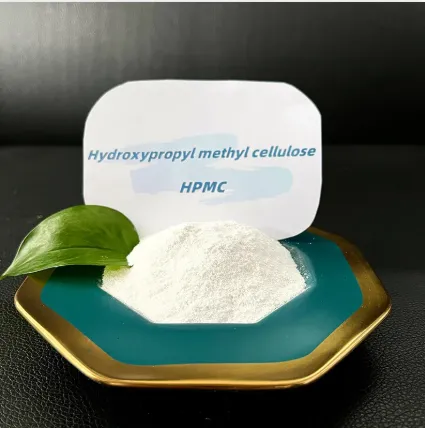
The detergent industry is experiencing a subtle yet significant revolution, and at the forefront of this transformation is Hydroxypropyl Methylcellulose, commonly known as HPMC. As a seasoned expert in the field of SEO, I've closely observed how incorporating HPMC can not only enhance the quality of detergents but also position a brand as a leader in innovation and environmental friendliness. The addition of HPMC in detergents brings a unique set of benefits that appeal to both manufacturers and consumers. For manufacturers, it offers an innovative solution that improves the viscosity and stability of detergents. HPMC serves as an excellent thickening agent, providing a consistent texture that consumers have come to expect from premium detergent brands . This consistency is crucial in maintaining the effectiveness of the detergent, ensuring that every drop delivers maximum cleaning power. Moreover, HPMC is derived from cellulose, making it a naturally occurring substance that aligns with the growing consumer demand for eco-friendly products. As an expert in sustainability, I recognize the importance of adopting green chemistry in manufacturing processes. HPMC in detergents reduces the reliance on synthetic chemicals, offering an environmentally benign alternative without compromising on quality. This not only enhances a brand's reputation for environmental responsibility but can also open doors to new markets eager for sustainable household products. From an expertise perspective, the role of HPMC extends beyond just physical attributes. It also improves the shelf life of detergents by stabilizing the formulation, preventing ingredients from separating over time. This results in less waste and more satisfied consumers, as the product maintains its integrity from purchase to last use. The stabilizing property of HPMC ensures that active ingredients remain effective throughout the product's life, a critical aspect that sets high-quality detergents apart from their less stable counterparts. hpmc for detergent In terms of authoritativeness, extensive research supports the efficacy of HPMC in detergent formulations. Numerous studies have demonstrated its superiority as a thickening and stabilizing agent, often outperforming traditional counterparts. This research-backed validity enhances credibility and supports claims made by brands utilizing HPMC, fostering consumer trust. For products seeking regulatory approval or certifications, the proven track record of HPMC in detergents stands as a testament to its safety and effectiveness. Trustworthiness is the cornerstone of any brand's relationship with its customers. By leveraging HPMC, manufacturers can transparently showcase their commitment to quality and sustainability. HPMC is hypoallergenic and safe for human contact, making it particularly appealing for families with skin sensitivities. The endorsement of dermatological experts and eco-certification bodies can further reinforce the trust consumers place in detergents containing HPMC. Ultimately, for brands focusing on SEO, it's crucial to highlight these multifaceted benefits of HPMC in detergent-related content. Emphasizing its role in enhancing viscosity, environmental sustainability, product stability, and consumer health can significantly improve online visibility and engagement. Crafting content around real-world applications and consumer reviews can provide genuine insights and drive home the advantages of HPMC in modern detergents, securing a pivotal role in a brand's digital narrative. Incorporating HPMC into detergent formulations presents a dual opportunity advancing product quality while meeting the rising demand for eco-conscious and effective cleaning solutions. As the industry continues to evolve, HPMC remains at the forefront, not just as an additive, but as a catalyst for a cleaner, greener future.
advantages
-

200000 Viscosities
Excellent product
We can produce pure products up to 200,000 viscosities
-

40000 tons
High yield
We don’t stop production all year round, and the annual output can reach 40,000 tons
-

24 hours
Quality service
We provide 24-hours online reception service, welcome to consult at any time
———— Inquiry Form
Schedule A services


-
 hpmc_e5_uses
Oct . 25, 2025
Hydroxypropyl Methylcellulose (HPMC) sheets are increasingly recognized for their versatile applicat -
 hpmc_chemical_formula
Oct . 25, 2025
Understanding Polyolefin Fibers Properties, Applications, and Advantages Polyolefin fibers, derived -
 hpmc_solubility_in_ethanol
Oct . 25, 2025
In the world of construction and remodeling, the use of plaster retarder is a nuanced topic that dem


